Astra’s launch ruined my weekend plans. One billion tokens later, here are my first impressions.
TLDR: step change in some capabilities, very useful, expensive/token hungry, quite slow.
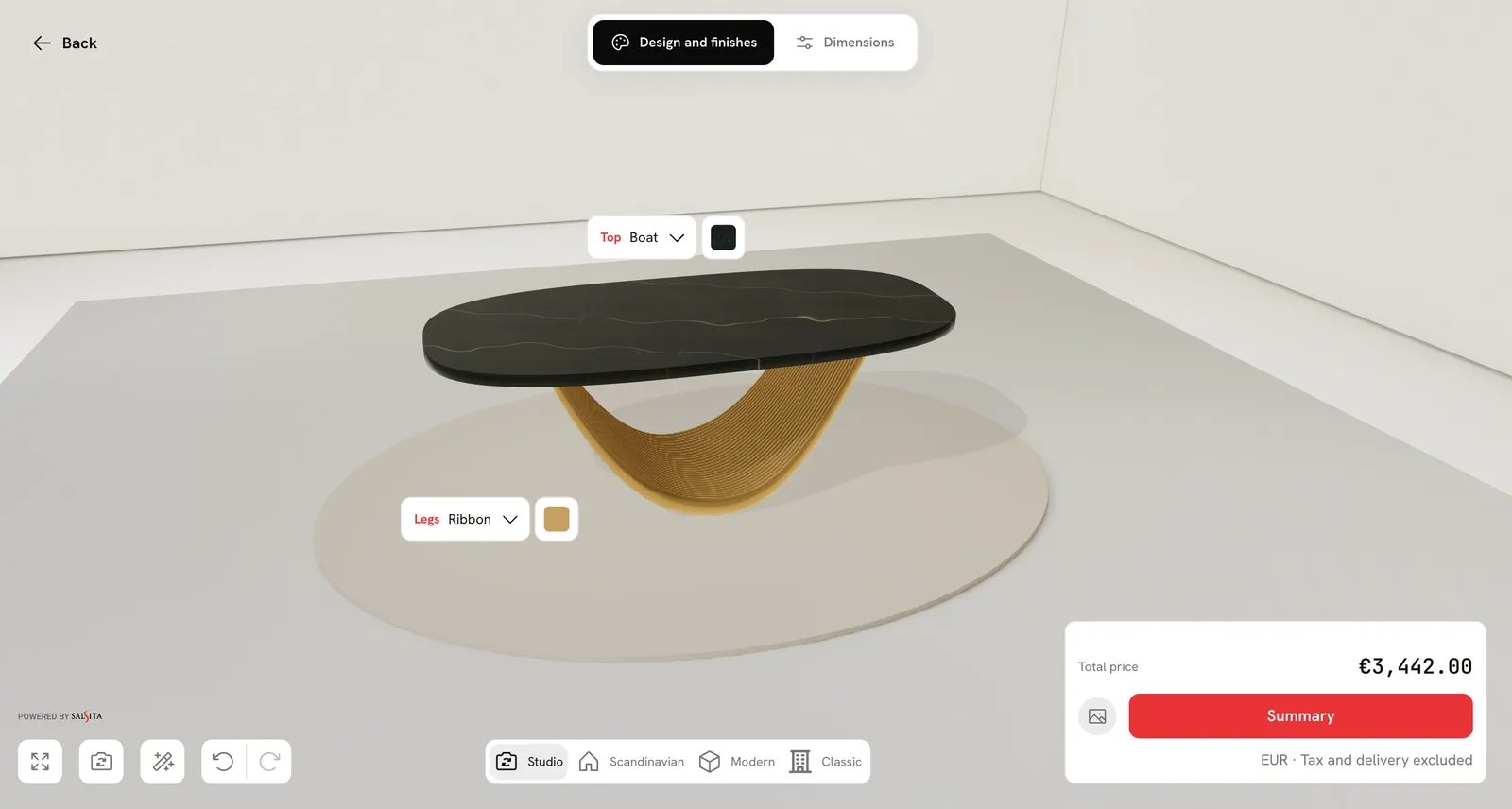
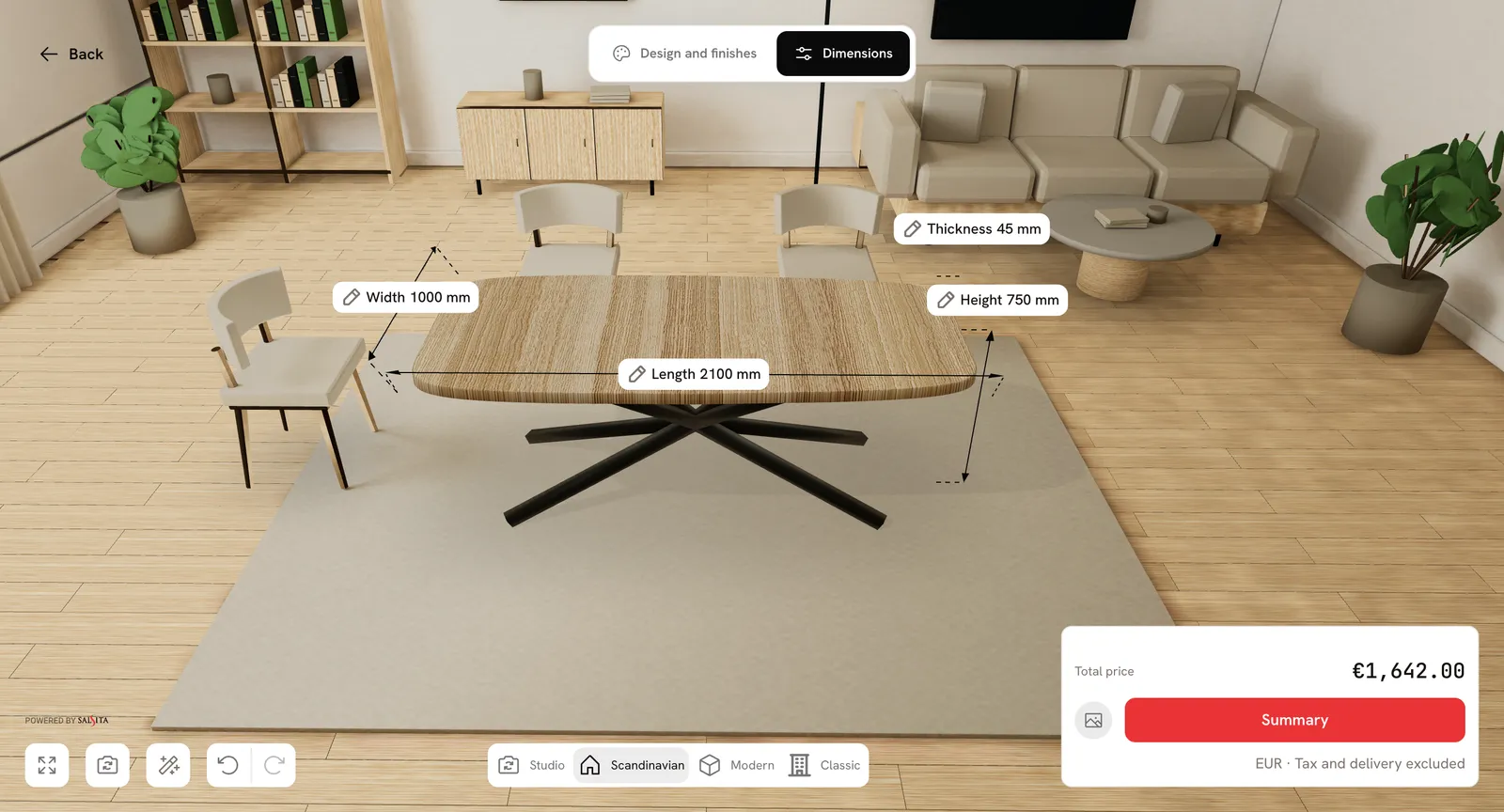
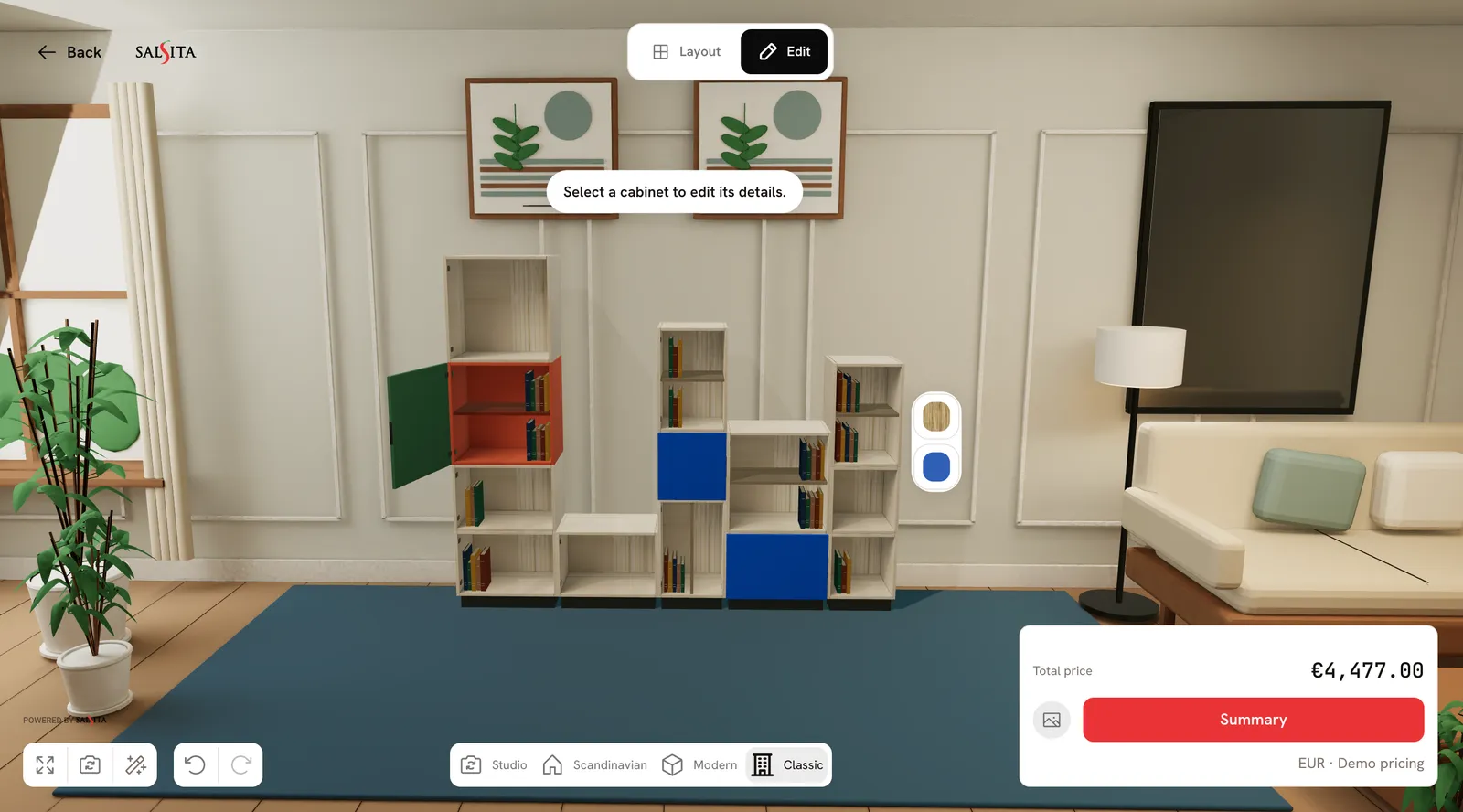
The launch praised its 3D and computer use skills, so I focused my testing on those. Using our 3D configurator platform at Salsita, I tried building several configurators e2e just with Astra. From building 3D models, asset pipeline, the code/setup itself, to some demo video and PDF materials. Some screenshots below.
The 3D stuff is definitely step change in capabilities and allows new kinds of automation pipelines. Things that would take hours/days before, like setting up a Blender rendering pipeline, synchronized with the dynamic scene, producing all the light/shadow/AO/environment maps for different scenes, are now very feasible.
Another very useful thing I noticed—it has more visual taste. If you tell it “lights are too bright,” it kind of gets it. Of course this is still hit or miss and you need to know what you are doing, but it is less “miss” than before.
Computer use is great, but very slow for “assistant UX.” You want to give it smaller tasks where “good enough” result is okay for you. It feels too slow for use cases where you want to heavily iterate on every detail, or have no clue what you are doing—as me with video editing :D
I can imagine using this daily for quick demo videos/presentations for regular meetings, but I don’t expect to create headline marketing assets this way.
For coding… not sure I see a difference between Astra and Fable. Fable flatters me more and asks more questions, Astra feels more “independent, professional.” I will still probably prefer Fable, let’s see in a month.
The limits… I found them when I tried to create a more advanced room planner. It really started to struggle and make “idiotic” decisions where the scene was highly interactive. If there is a shared wall between two rooms that has doors… at that point you need to stop “feeling the AGI” and go back to detailed iteration where you actually think as a human.
It is quite expensive and token heavy for daily use. In 2 days I went through roughly $2k worth of tokens. That’s token value, not money I paid, but you really need to justify the ROI on this. It can easily get out of hand.
But once the costs go down…
Is it AGI? Let’s leave that for marketing to settle.